Even More Bangalore Sunsets

The inevitable sequel to More Bangalore Sunsets, brought to you again by leaving a camera on the window of the Shangri-La Hotel.
Related Posts
- More Bangalore Sunsets
- Bangalore Sunsets
- More Bangalore
- Bangalore and Back, a Time Lapse
- Bangalore Timelapse
(Published to the Fediverse as: Even More Bangalore Sunsets #timelapse #video #bangalore #india A time lapse of sunsets from the Shangri-La Hotel in Bangalore, India )
Lviv

Time lapse of sunset over Lviv in Ukraine. Shot from the Premier Hotel Dnister at the top of Ivan Franko Park.
Related Posts
(Published to the Fediverse as: Lviv #timelapse #video #lviv #ukraine Lviv Sunset Time Lapse from the top of Ivan Franko Park )
BUD MUC
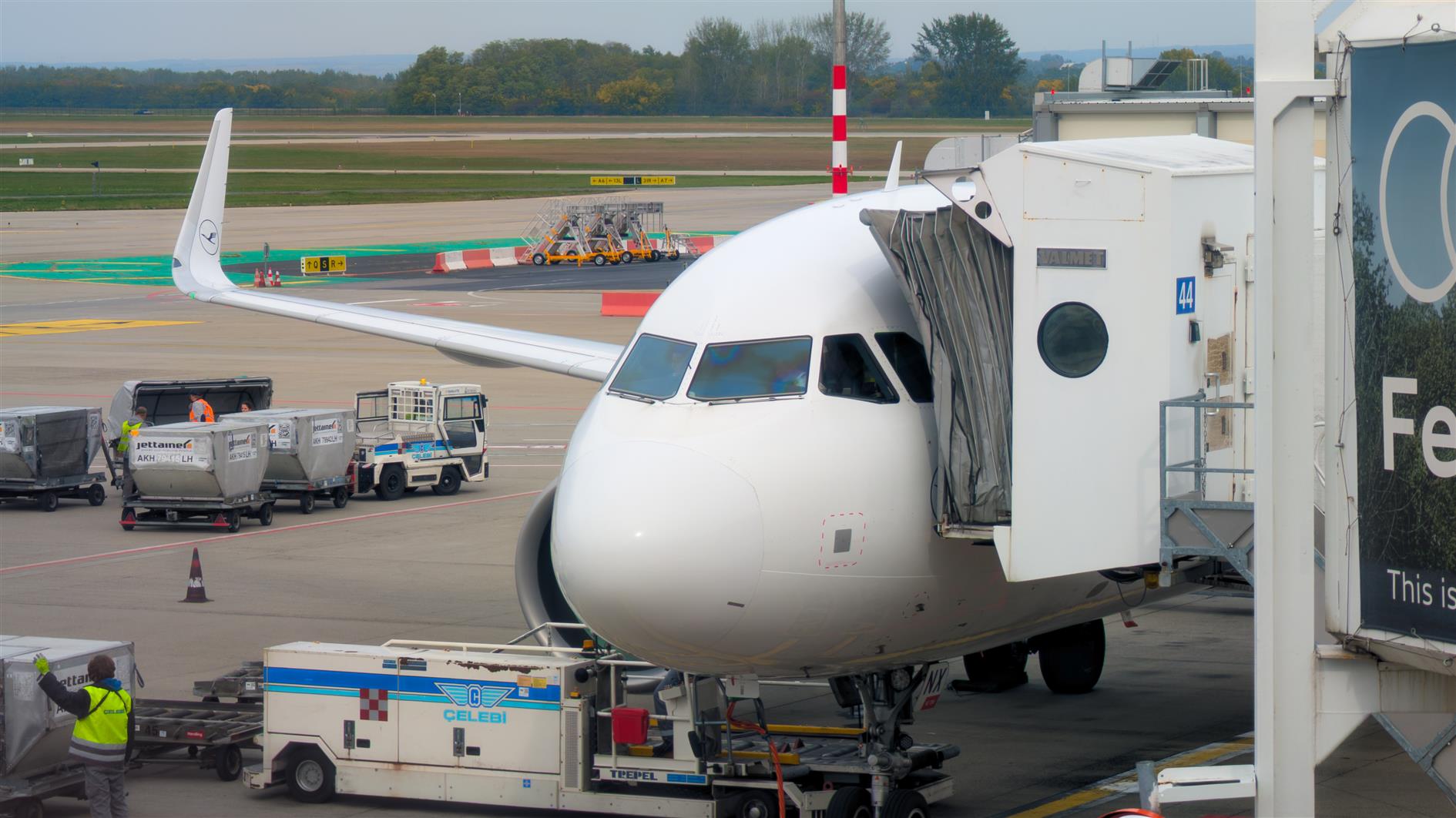
Google Pixel 8 Pro 18mm f2.8 1/200s ISO16
LH1677
Related Posts
(Published to the Fediverse as: BUD MUC #photo #plane #bud #muc BUD MUC )
I'm with Them

I guess we have to pretend we want to shoot you in the face to win at this point?
Arizona, Michigan, and all the other swing states - I love you, but you should get one person one vote. We need a National Popular Vote. We need more ranked choice voting. But most of all we do not need another four years of Trump, and so I'll be enthusiastically voting Harris/Walz in 2024. I'd rather have whatever remains from this lettuce than suffer through another Trump term. If you have allowed yourself to believe that Harris is as much of a threat to democracy as Trump, remember that the supreme court is lost to the right for a generation, hold your nose, and vote Harris/Walz. If you're concerned that Walz has stretched the truth a couple of times in the service of a good story, check out these 30,573 examples from Trump.
Trump lost in 2020. Vance can't say it for some reason, and that's disqualifying just by itself. Trump lost the popular vote in 2016. 65% of Americans support electing the President on the popular vote (make it happen here). A majority of Americans support safe access to abortion. A majority of Americans favor stricter gun control laws. A majority of Americans support free college. A majority of Americans support Federal health care. A majority of Americans support same sex marriage (data here). This is a very sane country in thrall to a dangerous and dare I say deplorable minority. If you're not registered to vote, get registered. If you're Stein or Kennedy curious get that out of your system by writing your representative and demanding ranked choice voting. And then vote for Harris/Walz so we can put this Trump thing to bed and find some path back to a politics that actually works for America.
Related Posts
(Published to the Fediverse as: I'm with Them #politics #election #harris #trump ##resist #uspol ITHCWY Endorses Kamala Harris for President in the 2024 Election )
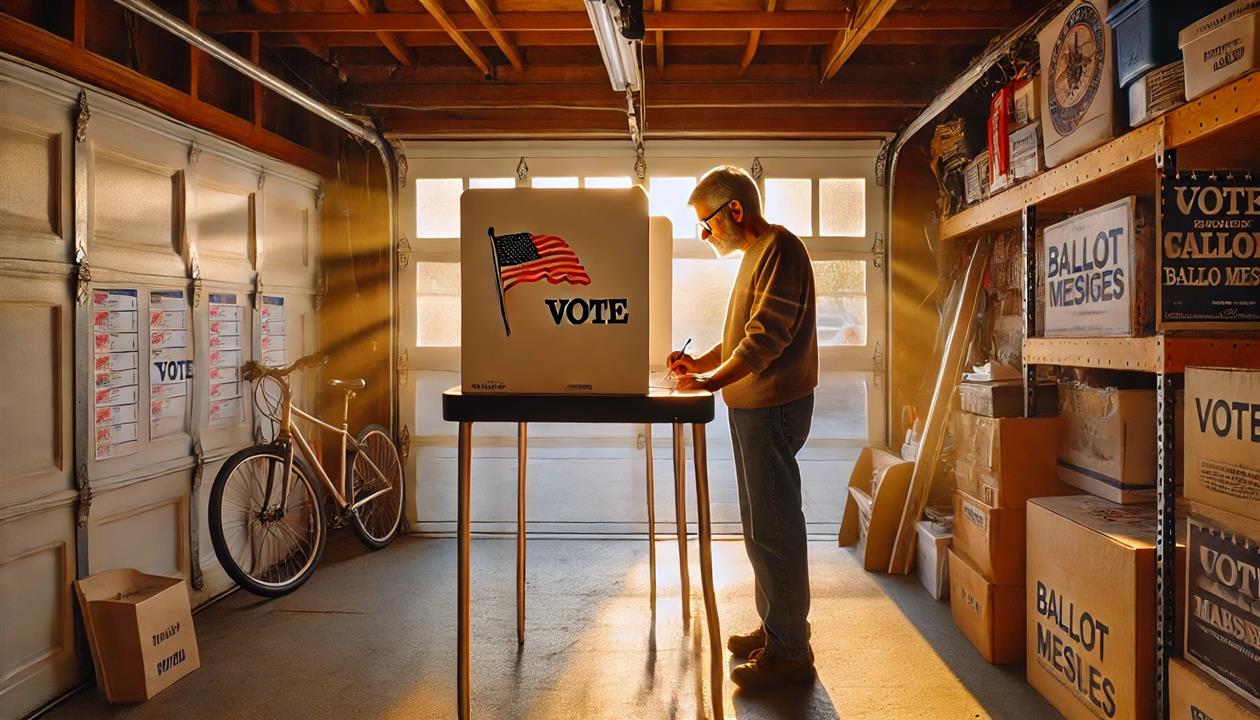
California November 2024 Propositions
- 2: Authorizes Bonds for Public School and Community College Facilities. Legislative Statute.
- 3: Constitutional Right to Marriage. Legislative Constitutional Amendment.
- 4: Authorizes Bonds for Safe Drinking Water, Wildfire Prevention, and Protecting Communities and Natural Lands from Climate Risks. Legislative Statute.
- 5: Allows Local Bonds for Affordable Housing and Public Infrastructure with 55% Voter Approval. Legislative Constitutional Amendment.
- 6 Eliminates Constitutional Provision Allowing Involuntary Servitude for Incarcerated Persons. Legislative Constitutional Amendment.
- 32: Raises Minimum Wage. Initiative Statute.
- 33: Expands Local Governments’ Authority to Enact Rent Control on Residential Property. Initiative Statute.
- 34: Restricts Spending of Prescription Drug Revenues by Certain Health Care Providers. Initiative Statute.
- 35: Provides Permanent Funding for Medi-Cal Health Care Services. Initiative Statute.
- 36: Allows Felony Charges and Increases Sentences for Certain Drug and Theft Crimes. Initiative Statute.
As with my San Francisco voter guide I created a custom GPT with the California ballot measures and my voting history, to try and automate figuring out how I would vote this year. San Francisco went really well and required just some light editing. For some unknown reason the California version really struggled. I'm using the same approach of having the GPT summarize the proposition, summarize my previous voting record on related issues and then make a recommendation. I had to do a lot of fine tuning of the second prompt to get it to come up with anything sensible. The custom GPT is here, and the recommendations are below:
2: Authorizes Bonds for Public School and Community College Facilities. Legislative Statute.
Proposition 2 authorizes $10 billion in bonds to repair, upgrade, and build new facilities at K-12 public schools and community colleges. This funding is essential to address urgent health and safety issues, such as fixing deteriorating infrastructure, modernizing classrooms, and ensuring students have access to 21st-century learning environments. The proposition also includes strong accountability measures, such as public audits, ensuring that funds are spent as promised. Given my consistent support for school bond measures in the past to improve public education and infrastructure, Proposition 2 deserves a YES vote to invest in the future of California’s students.
3: Constitutional Right to Marriage. Legislative Constitutional Amendment.
Proposition 3 updates California’s Constitution to formally recognize the right to marry regardless of gender or race, removing outdated and discriminatory language that limits marriage to being between a man and a woman. This measure reflects existing federal law and aligns with California’s legacy of protecting civil rights and personal freedoms. As I have consistently supported marriage equality, a YES vote ensures we safeguard these rights for future generations while removing the remnants of discriminatory language from our state Constitution. Vote YES on Proposition 3 to continue advancing equality.
4: Authorizes Bonds for Safe Drinking Water, Wildfire Prevention, and Protecting Communities and Natural Lands from Climate Risks. Legislative Statute.
This measure authorizes $10 billion in bonds to fund safe drinking water projects, wildfire prevention, and the protection of communities and natural lands from climate change. With California facing increasing threats from droughts, wildfires, and other climate-related disasters, this is a necessary investment in our future. While I usually approach new debt cautiously, this proposition addresses urgent needs that we cannot afford to ignore. Protecting our water supply, reducing fire risks, and enhancing climate resilience are critical actions we must take now to safeguard future generations. Vote YES on Proposition 4.
5: Allows Local Bonds for Affordable Housing and Public Infrastructure with 55% Voter Approval. Legislative Constitutional Amendment.
Proposition 5 would allow local governments to pass bonds for affordable housing and public infrastructure with a 55% voter threshold instead of the current two-thirds requirement. While addressing the housing crisis is important, this measure would shift more financial burdens onto local taxpayers by making it easier to raise property taxes through bond financing. With local governments already struggling to manage debt and rising costs, lowering the voter approval threshold could lead to more irresponsible spending and higher taxes without clear benefits. I recommend voting NO on Proposition 5 to prevent unnecessary increases in local debt and tax burdens.
6 Eliminates Constitutional Provision Allowing Involuntary Servitude for Incarcerated Persons. Legislative Constitutional Amendment.
Yes: Proposition 6 seeks to eliminate the constitutional provision that allows involuntary servitude, or forced labor, as punishment for incarcerated persons in California. This measure would align the state's constitution with modern human rights standards, prioritizing rehabilitation over punitive practices. In the past, I've consistently supported reforms that emphasize rehabilitation over harsh penalties, particularly when they improve long-term outcomes for individuals and society. A "YES" vote on Proposition 6 continues this trend, ensuring California moves away from outdated practices and toward more humane treatment of incarcerated individuals.
32: Raises Minimum Wage. Initiative Statute.
Proposition 32: Vote Yes - Proposition 32 will raise the minimum wage to $18 per hour by 2026, addressing the growing cost of living and ensuring that service and essential workers, who have been hit hardest by inflation, can afford basic necessities. California’s wage increases have lagged behind rising corporate profits, leaving too many working people behind. While opponents argue that it will hurt businesses, the reality is that working families need a living wage to survive in this state. As with previous measures supporting economic equality and protections for lower-income communities, this is a step toward ensuring fairness in the workforce. Vote Yes on 32 to help working Californians keep up with the cost of living.
33: Expands Local Governments’ Authority to Enact Rent Control on Residential Property. Initiative Statute.
Proposition 33 seeks to repeal the Costa-Hawkins Rental Housing Act, allowing local governments to expand rent control across more types of residential properties, including newer buildings and single-family homes. While the stated goal is to provide relief to renters, this measure would likely lead to reduced housing development, decreased property values, and a worsening of the state's housing crisis. Based on past voting preferences that emphasize protecting property rights and avoiding policies that discourage investment, I recommend voting NO on Proposition 33. This measure will do more harm than good by stifling the creation of much-needed new housing.
34: Restricts Spending of Prescription Drug Revenues by Certain Health Care Providers. Initiative Statute.
Proposition 34 mandates that healthcare providers must spend 98% of revenues from the federal 340B drug discount program on direct patient care, introducing severe penalties for non-compliance. While well-intentioned, this measure places an unreasonably rigid requirement on how organizations allocate their resources. It’s crucial to trust healthcare organizations to manage their finances based on their unique operational needs, with performance and outcomes guiding support. Vote No on Proposition 34, as it imposes unnecessary restrictions and could harm the ability of providers to operate effectively.
35: Provides Permanent Funding for Medi-Cal Health Care Services. Initiative Statute.
Proposition 35 seeks to secure permanent funding for Medi-Cal by continuing an existing tax on managed healthcare plans. This measure is crucial for maintaining healthcare services to low-income Californians without imposing new taxes. Based on my past votes, I consistently support measures that ensure essential services like healthcare remain available to the most vulnerable populations, especially when there is no new tax burden on the general public. Vote YES on Proposition 35 to protect access to vital healthcare for millions of Californians.
36: Allows Felony Charges and Increases Sentences for Certain Drug and Theft Crimes. Initiative Statute.
Yes: Proposition 36 closes the dangerous loophole that allows repeat offenders to escape serious consequences for committing petty theft under $950. By reclassifying these crimes as felonies for individuals with two or more prior convictions, it ensures that those who repeatedly steal or traffic dangerous drugs like fentanyl face appropriate punishment. This measure restores accountability and enhances public safety by targeting serial offenders, who have been taking advantage of lax enforcement. A “Yes” vote on Proposition 36 is a vote for tougher penalties on career criminals and a step towards safer communities.
Updated 2024-10-19 23:55:
To fully AI this post here's a NotebookLM generated podcast discussing the content.
Related Posts
- California November 2020 Propositions
- San Francisco November 2024 Ballot Measures
- California 2012 Propositions
- California November 2016 Propositions
- San Francisco and California March 2024 Ballot Measures
(Published to the Fediverse as: California November 2024 Propositions #politics #california #propositions #election #ai #gpts #chatgpt #openai #capol #video ITHCWY voter guide to the 10 propositions in the California November 2024 election. Custom GPT included. )
FRA KRK
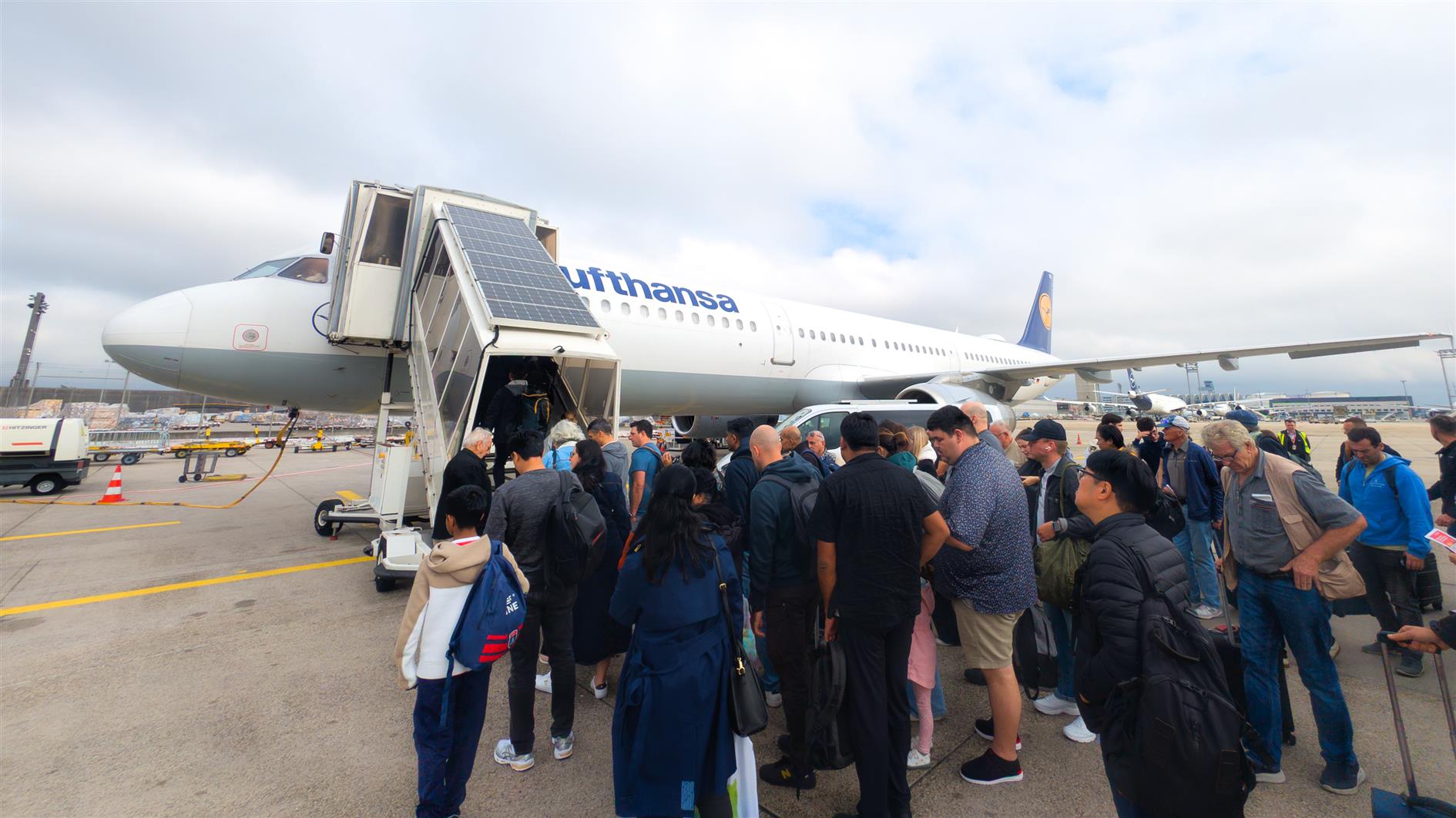
Google Pixel 8 Pro 2mm f2.0 1/1,900s ISO41
LH1384
Related Posts
(Published to the Fediverse as: FRA KRK #photo #plane #fra #krk FRA KRK )
BLR FRA

Google Pixel 8 Pro 7mm f1.7 1/25s ISO427
LH755
Related Posts
(Published to the Fediverse as: BLR FRA #photo #plane #blr #fra BLR FRA )
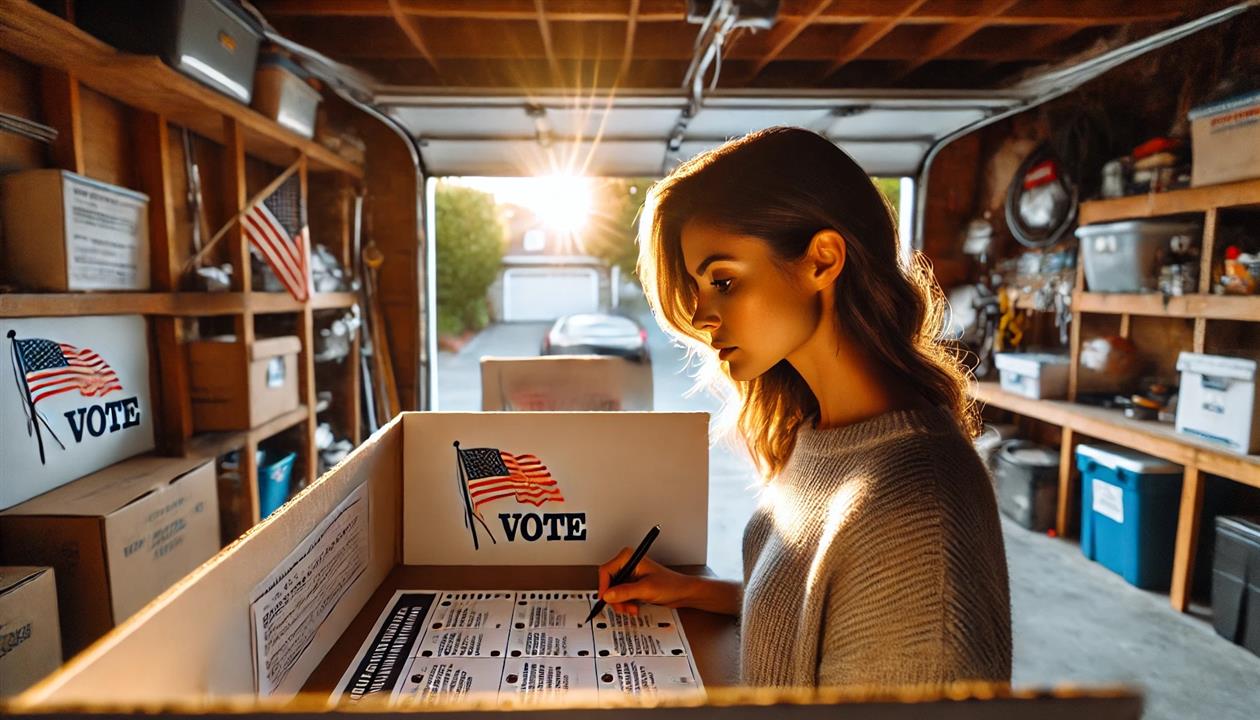
San Francisco November 2024 Ballot Measures
- A: Schools Improvement and Safety Bond
- B: Community Health and Medical Facilities, Street Safety, Public Spaces, and Shelter to Reduce Homelessness Bond
- C: Inspector General
- D: City Commissions and Mayoral Authority
- E: Creating a Task Force to Recommend Changing, Eliminating, or Combining City Commissions
- F: Police Staffing and Deferred Retirement
- G: Funding Rental Subsidies for Affordable Housing Developments Serving Low Income Seniors, Families, and Persons with Disabilities
- H: Retirement Benefits for Firefighters
- I: Retirement Benefits for Nurses and 911 Operators
- J: Funding Programs Serving Children, Youth, and Families
- K: Permanently Closing the Upper Great Highway to Private Vehicles to Establish a Public Open Recreation Space
- L: Additional Business Tax on Transportation Network Companies and Autonomous Vehicle Businesses to Fund Public Transportation
- M: Changes to Business Taxes
- N: First Responder Student Loan and Training Reimbursement Fund
- O: Supporting Reproductive Rights
As ever a brutal slate of propositions to decide on for the election. I've been blogging my choices since 2012 so I have a decent archive at this point and decided to automate. I built a custom GPT from the 300 page voter guide and my previous ballot measure related posts. I then interviewed the GPT on each proposition, asking for a summary, related issues that I have voted on previously and then a concise recommendation based on my voting history. I've made some light edits and it can be a bit salesy at times, but I think it's captured the right angle on everything. If you want more detail you can chat with it here.
A: Schools Improvement and Safety Bond
Proposition A is a $790 million bond measure for the San Francisco Unified School District, aimed at making critical upgrades to aging infrastructure, including seismic retrofitting, classroom modernization, and technology improvements. While concerns about past financial mismanagement in the district are valid, the need for safe, functional school facilities is undeniable. A strong education system requires investment, and Proposition A offers a targeted, practical way to address overdue infrastructure needs without raising taxes. Vote Yes on Proposition A to ensure our schools are safe, modern, and capable of meeting students' needs.
B: Community Health and Medical Facilities, Street Safety, Public Spaces, and Shelter to Reduce Homelessness Bond
Proposition B - Yes. This $390 million bond measure will fund necessary upgrades to health facilities like Zuckerberg SF General and Laguna Honda, improve street safety, and create housing for homeless families. It’s a no-brainer to support critical infrastructure improvements that will protect public health and ensure our medical centers are earthquake-safe. The homelessness crisis also demands urgent attention, and this bond promises over 2,300 new units without raising taxes. Past measures focusing on safety, health, and homelessness have garnered my support, and with strong oversight and no new taxes, this is an easy "Yes."
C: Inspector General
Proposition C would create an independent Inspector General within the Controller’s Office to investigate fraud, waste, and abuse in city government. This measure gives the Inspector General the necessary powers, including the ability to subpoena records, to effectively hold city officials and contractors accountable. Given the numerous scandals in recent years, establishing a robust oversight mechanism is crucial for restoring trust in our government. In the past, I've consistently supported reforms that promote transparency and accountability, and this measure is no exception. Vote YES to combat corruption and strengthen oversight in San Francisco.
D: City Commissions and Mayoral Authority
Proposition D seeks to reduce the number of city commissions and grant the Mayor greater authority to appoint and remove department heads without Board of Supervisors' confirmation. While the measure promises efficiency and cost savings, it concentrates too much power in the Mayor's office, diminishing vital checks and balances. The proposed elimination of commissions also weakens public oversight and community involvement in city governance. In the past, I’ve consistently voted to safeguard accountability and ensure broader public participation in government decisions. For these reasons, I recommend voting NO on Proposition D.
E: Creating a Task Force to Recommend Changing, Eliminating, or Combining City Commissions
Proposition E establishes a Commission Streamlining Task Force to review San Francisco’s numerous commissions and recommend changes, including consolidations and eliminations, to improve efficiency. While we must safeguard public oversight, the measure carefully balances reform with maintaining critical functions by allowing the Board of Supervisors to block any overreach. Given the bloated state of city commissions and the need for responsible governance, this is a measured step towards improving accountability and cutting redundancy. Vote Yes on Proposition E for smarter, more efficient government.
F: Police Staffing and Deferred Retirement
This measure would reintroduce a Deferred Retirement Option Program (DROP) to allow senior police officers to defer retirement while earning pension benefits, with the aim of addressing San Francisco's police staffing shortages. However, the program echoes the failed 2008-2011 DROP, which was discontinued due to high costs and minimal impact on staffing levels. The projected $600,000 to $3 million annual cost burden for the city, combined with the likelihood of "double-dipping" by officers, makes this a fiscally irresponsible solution. I recommend voting No on Proposition F, as it represents another costly and ineffective attempt to fix a complex issue.
G: Funding Rental Subsidies for Affordable Housing Developments Serving Low Income Seniors, Families, and Persons with Disabilities
Proposition G establishes the Affordable Housing Opportunity Fund to provide rental subsidies for extremely low-income seniors, families, and persons with disabilities, funded by at least $8.25 million annually from the City starting in 2026. The measure aims to bridge the gap between affordable housing costs and what these vulnerable groups can afford. I recommend voting Yes on Proposition G. It offers a targeted solution to address San Francisco’s housing crisis for the most vulnerable, aligns with past support for social safety net measures, and ensures long-term investment in affordable housing without jeopardizing the City’s budget stability.
H: Retirement Benefits for Firefighters
This measure seeks to lower the retirement age for firefighters hired after 2012 from 58 to 55, aligning their benefits with those hired before that date. While fairness across hire dates is important, we must remember why the 2011 pension reforms were implemented: to ensure the long-term financial stability of the city's pension system. Undoing those reforms now, at a cost of millions, risks repeating the mistakes of the past, particularly as San Francisco still faces significant fiscal challenges. Firefighters already receive some of the highest compensation in the Bay Area, and rolling back these necessary reforms would be irresponsible. Vote NO to protect San Francisco's financial future.
I: Retirement Benefits for Nurses and 911 Operators
Proposition I seeks to extend retirement benefits to Registered Nurses and 911 dispatchers by allowing nurses to purchase additional service credits and moving dispatchers to a more generous pension plan. While the city is facing staffing shortages in these vital roles, the measure increases pension liabilities by $3.8 to $6.7 million annually at a time when San Francisco already has a $790 million budget deficit. Similar to past pension-related propositions, I oppose expanding benefits that deepen our financial obligations without addressing the structural issues that contribute to these shortages. San Francisco needs fiscal responsibility and long-term solutions, not quick fixes that will only worsen the city's budget woes. Vote No on I.
J: Funding Programs Serving Children, Youth, and Families
Proposition J creates the "Our Children, Our Families" initiative to improve oversight of City funds supporting children, youth, and family services. It increases accountability by requiring annual reports and a comprehensive five-year spending plan for key funds like the Public Education Enrichment Fund (PEEF). Given my strong support for past measures that prioritize stable, dedicated funding for children and family programs, this proposition is a natural continuation of ensuring our city’s resources are used effectively for the next generation. Vote YES to strengthen oversight and maximize the impact of these crucial services.
K: Permanently Closing the Upper Great Highway to Private Vehicles to Establish a Public Open Recreation Space
Yes. This measure will permanently close the Upper Great Highway to private vehicles, converting it into public recreational space. Exceptions will be made for emergency and official vehicles, creating a safe, car-free area for walking, biking, and other activities. In the past, I’ve supported keeping spaces like JFK Drive in Golden Gate Park closed to cars, and this is no different. Let’s protect our coastline, reduce traffic, and keep this beautiful area open for everyone to enjoy without the disruption of cars.
L: Additional Business Tax on Transportation Network Companies and Autonomous Vehicle Businesses to Fund Public Transportation
Yes. Proposition L proposes a business tax on transportation network companies (TNCs) like Uber and Lyft, as well as autonomous vehicle businesses, to fund Muni's services. The tax would ensure these companies contribute to maintaining San Francisco's public transit system, which is critical for reducing traffic congestion and emissions, while protecting Muni services from cuts. Given the City's need for reliable public transportation, especially for vulnerable communities, this measure is a step towards making large businesses pay their fair share without passing the burden onto riders.
M: Changes to Business Taxes
Proposition M proposes changes to the business tax structure in San Francisco, increasing the small business exemption, simplifying tax categories, and adjusting rates on gross receipts, homelessness taxes, and administrative office taxes. While this measure aims to reduce tax burdens on smaller businesses, it also results in a significant short-term revenue loss—approximately $40 million annually until 2027. Given my consistent opposition to tax breaks that disproportionately benefit larger businesses while undermining essential public services (especially on previous homelessness and public health measures), this measure represents a dangerous gamble with city revenue. San Francisco cannot afford to lose crucial funds for services that need more support, not less. Vote NO on Proposition M.
N: First Responder Student Loan and Training Reimbursement Fund
This measure proposes the creation of a fund to reimburse first responders for student loan and training expenses, up to $25,000 per employee. While supporting first responders is vital, this measure introduces new financial obligations without a mandatory funding source, risking future taxpayer burdens. Similar to past pension-related measures, it offers a short-term fix for retention issues but fails to address systemic salary improvements or broader fiscal sustainability. For these reasons, I recommend a No vote on Proposition N.
O: Supporting Reproductive Rights
Proposition O affirms San Francisco’s role as a leader in protecting reproductive rights by expanding access to crucial reproductive health services, including abortion and emergency contraception. It establishes a city-maintained website listing providers and ensures transparency by requiring signage at facilities that do not offer these services. Additionally, it protects patient confidentiality from out-of-state inquiries and supports reproductive health funding. Given my consistent support for individual freedoms and opposition to government overreach in personal health matters, a Yes vote on Proposition O is a clear choice to safeguard reproductive rights in San Francisco.
Updated 2024-10-20 00:28:
This is a podcast version of the post created using NotebookLM.
Related Posts
- San Francisco November 2020 Ballot Measures
- San Francisco November 2016 Propositions
- California November 2024 Propositions
- San Francisco November 2022 Ballot Measures
- San Francisco and California March 2024 Ballot Measures
(Published to the Fediverse as: San Francisco November 2024 Ballot Measures #politics #sanfrancisco #propositions #election #ai #gpts #chatgpt #openai #sfpol #video ITHCWY voter guide to the 15 propositions in the San Francisco November 2024 election. Custom GPT included. )
Which PG&E rate plan works best for EV charging?
We recently got an electric vehicle and unsurprisingly our electricity usage has shot up - something like 125% so far. This is of course offset by not needing to buy gas, but the PG&E bill is starting to look eye watering.
PG&E offers an exciting and nearly impenetrable number of rate plans. Right now we're on E-TOU-C which PG&E says is the best choice for us. This is a time of use plan which makes a lot of sense - electricity is cheap off peak and expensive when it's in high demand. Running the dishwasher at the end of the day saves a few cents. Charging an EV at the right time is a big deal.
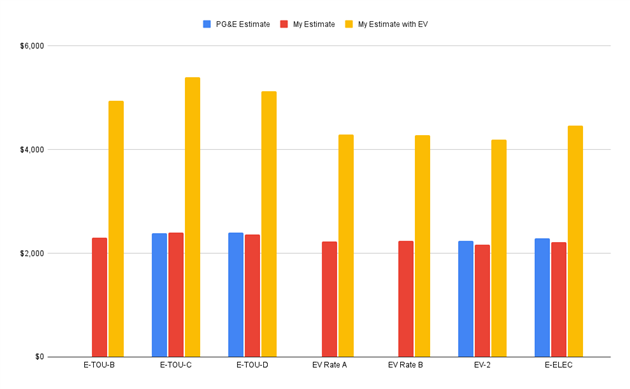
I decided to simulate our bill on each plan, with and without EV charging.
This turns out to be astonishingly complicated. There is probably a significant energy saving in having the billing systems sweat a bit less. It's not just peak vs. off peak, the rates are different for summer and winter. In some plans peak is a daily occurrence and in others it doesn't apply to weekends and holidays (raising the exciting sub investigation of what PG&E considers to be a holiday). Some plans have a daily use fee. Our plan has a discount for baseline usage, others do not.
That's all just for the conventional time of use plans. The EV plans introduce a 'part-peak' period so there are three different rates based on time of day. They also have different definitions of summer.
I had imagined a quick spreadsheet but this has turned into a python exercise. The notebook is included below. If you use this you'll need to estimate your average daily EV charging needs and also your baseline details. It uses a year of data downloaded from PG&E to run the simulation, so use the year before you started charging an EV. I think I've captured most of the details but I did take a shortcut with the baseline calculations - it uses calendar months instead of billing periods. PG&E billing periods range from 28-33 days, presumably because that will be cheaper in the long run.
It would be nice if PG&E had some kind of what-if modelling but I guess that's not in their best interests. Right now the web site says I should stick on E-TOU-C, which looks like a bad idea even based on the past year of usage. All of the plans are pretty close for me based on historical usage though. Adding an EV shows a huge difference. Off peak rates are a lot cheaper but in exchange the peak rates are much higher. I'll save a lot moving to the EV2 plan, which is what I've just done. It's not clear how you should choose between the different EV oriented plans without getting into this level of detail, but they are all better than the conventional time of use options if you have better things to do.
I evaluated the E-TOU-B, E-TOU-C and E-TOU-D time of use plans and the EV Rate A, EV Rate B, EV2 and E-ELEC plans for people with an EV or other qualifying electrical thing. The chart at the top of the post shows PG&E's estimates for the past year, my estimates and then my estimates with EV charging included.
Here's the code:
Related Posts
- Pandemic Gas Mystery
- Does closing the Great Highway cause an increase in traffic accidents?
- San Francisco Budget - The Missing Manual
- Export Google Fit Daily Steps, Weight and Distance to a Google Sheet
- Automate Google PageSpeed Insights and Core Web Vitals Logging with Apps Script
(Published to the Fediverse as: Which PG&E rate plan works best for EV charging? #code #pge #electricity #ev #python Simulating PG&E bills with and without EV charging across 7 rate plans to discover the cheapest option (Python). )
Autumnal Equinox 2024

The exact moment of Autumnal Equinox (12:44 UTC on September 22, 2024), rendered in Catfood Earth.
Related Posts
- Autumnal Equinox 2022
- Autumnal Equinox 2023
- Autumnal Equinox 2020
- Autumnal Equinox 2021
- Autumnal Equinox 2019
(Published to the Fediverse as: Autumnal Equinox 2024 #code #catfood #earth #equinox #autumnal Autumnal Equinox 2024 (12:44 UTC September 22, 2024) in Catfood Earth )