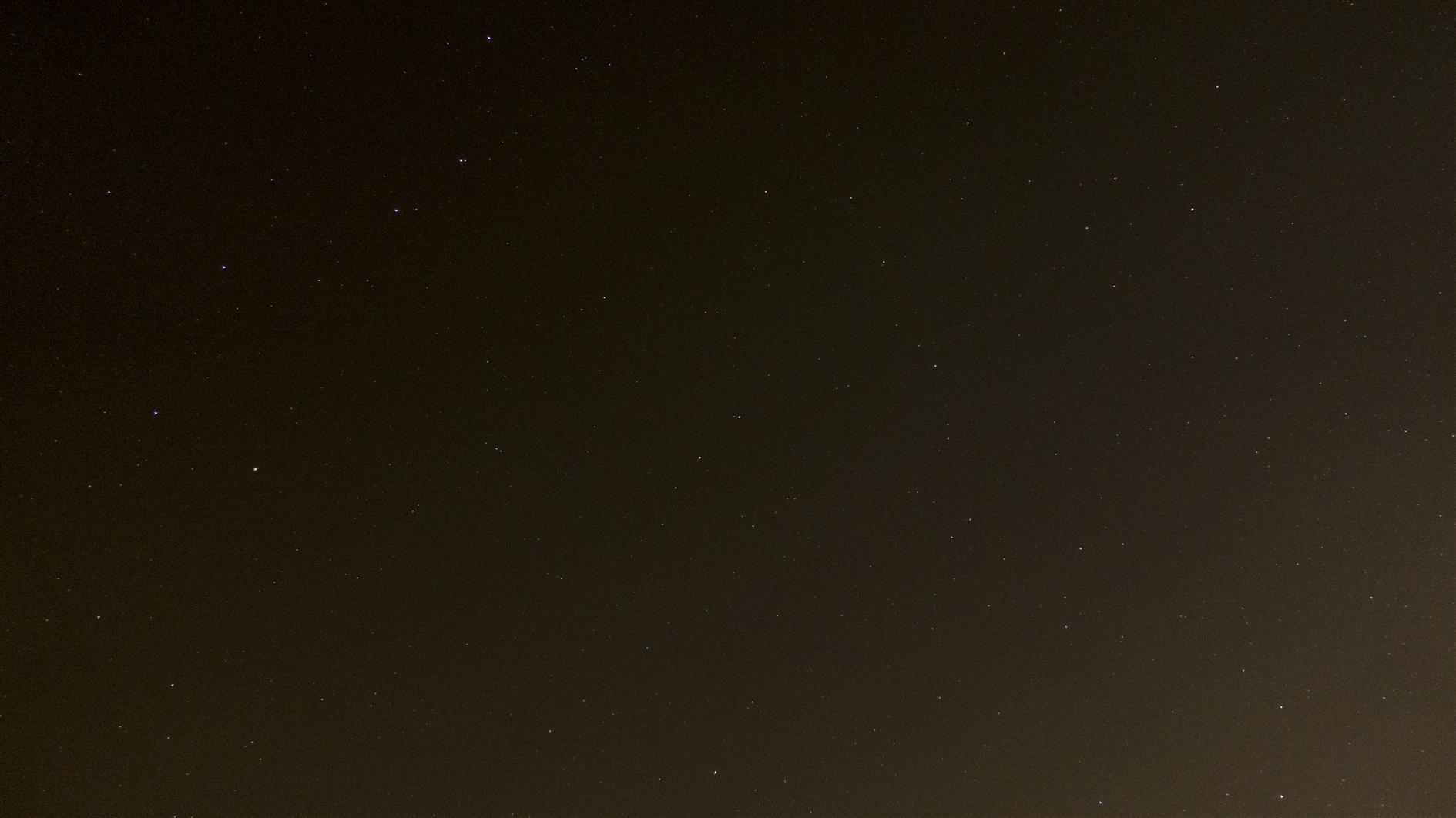
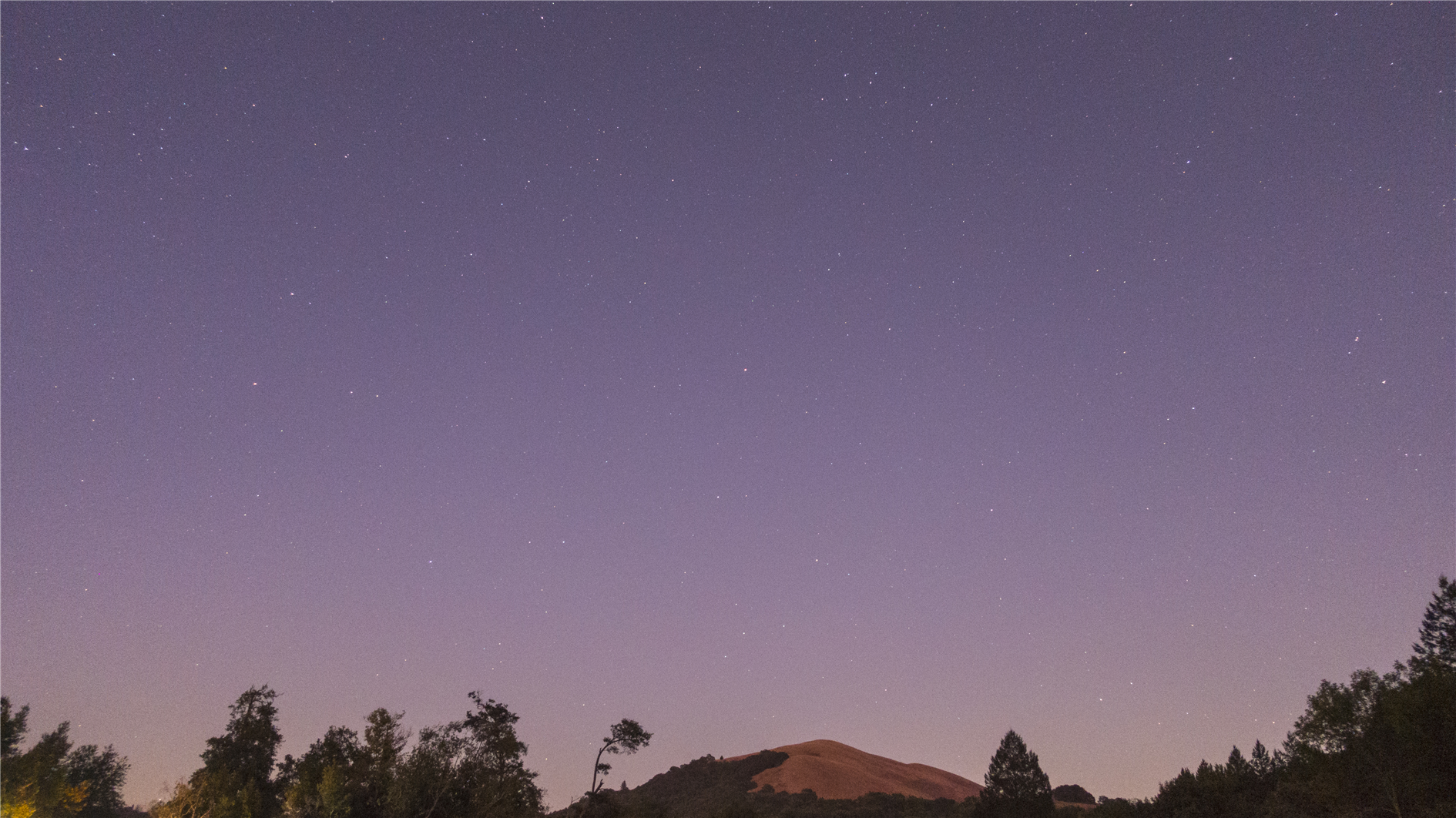
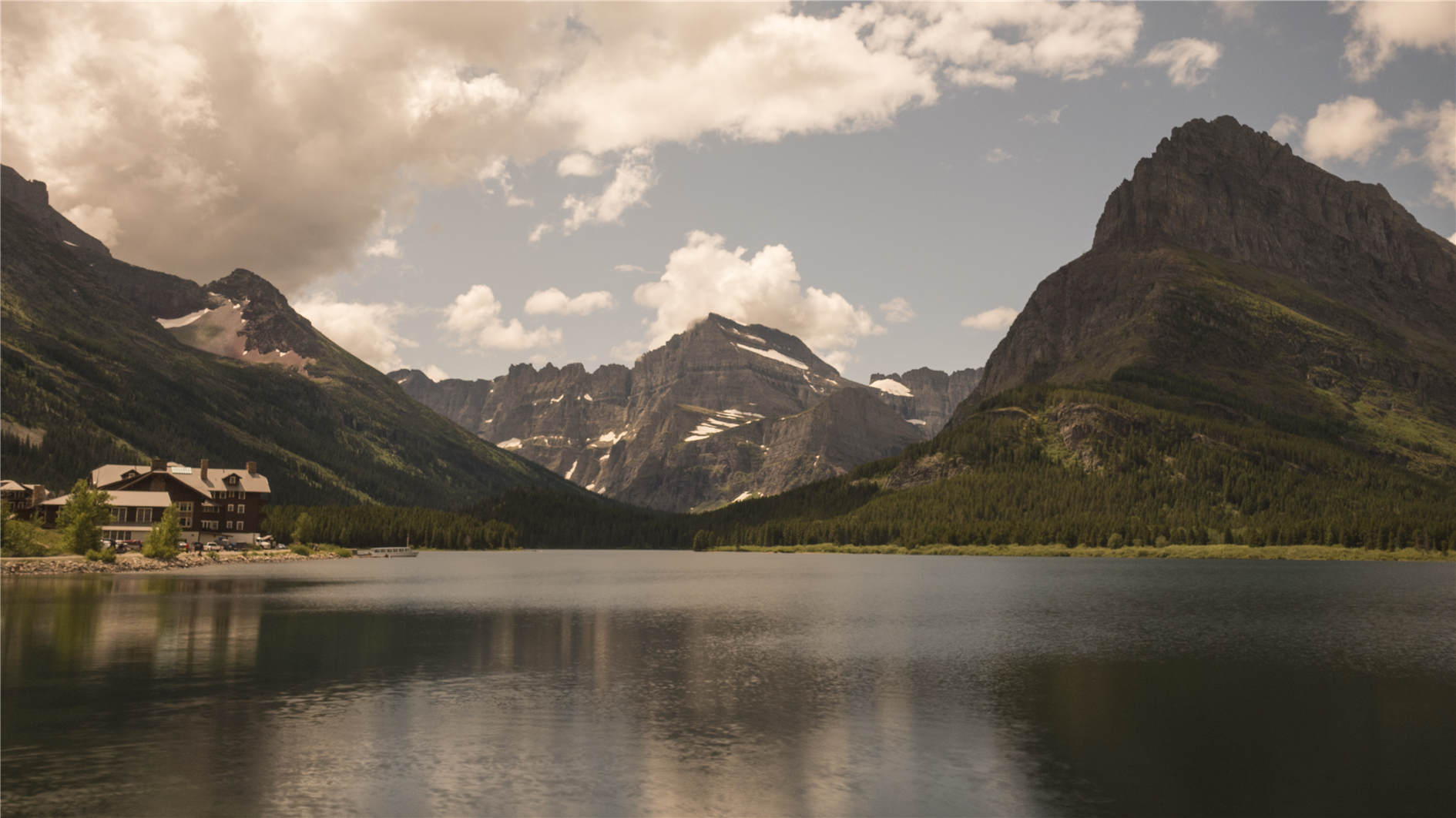
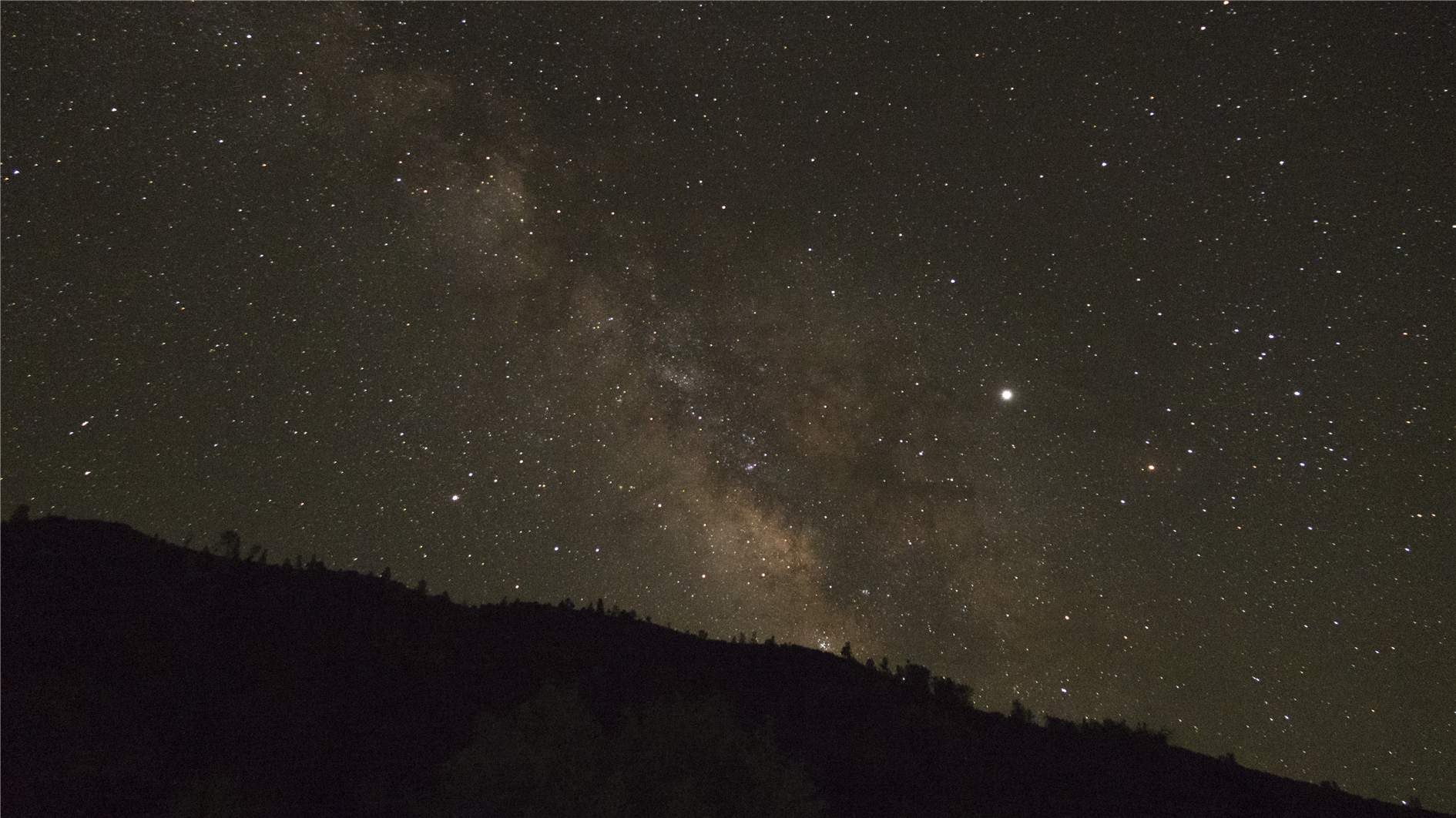
Time lapse of stars and the milky way over Redding, California. Nice to have got the milky way as there is still a fair bit of light pollution in this area. Shot over three nights in July 2021. Shot on a Sony A7C with 20mm f1.8 G lens. Post processed in Lightroom, LRTimelapse, Resolve and Filmstro Pro.
The video has four sequences shot over two nights. It was a challenging weekend right before the Summer Solstice with a pretty bright moon, but there are some hints of milky way in there. The first and third clips are from a Sony A7C with 20mm f1.8 G lens. The second and fourth are from a GoPro Hero 8 Black which suffered from a few stuck pixels but nice enough overall. Post processed in Lightroom, LRTimelapse, Resolve and Filmstro Pro.
This short timelapse video shows three Starlink satellite trains passing over San Francisco.
I use findstarlink to look for good viewing conditions after a launch. It's tough to get both a good pass and reasonably clear skies but last night was excellent for both. According to the site the first train is Starlink-18 and the second is Starlink-25. The third train wasn't listed. It certainly looks similar but I guess it could be something else. The timelapse shows all three as they happened and then zooms in for a better view of each.
Shot on a Sony A7C, 20mm f1.8 1s ISO800 (2s interval) and then post processed with LRTimelapse. Lightroom Classic, DaVinci Resolve and Filmstro Pro.
Unusually good night sky conditions in San Francisco recently. Here's a video of several timelapses shot over the last couple of months. The sequences are: (super) moonrise, no Lyrids over Sutro Tower, Ursa Major rotating around Polaris, Orion setting, moonset.
Timelapse of the night sky over Pinnacles National Park in California. Jupiter and the Milky Way are both prominent. Shot from the campground on July 4, 2019.
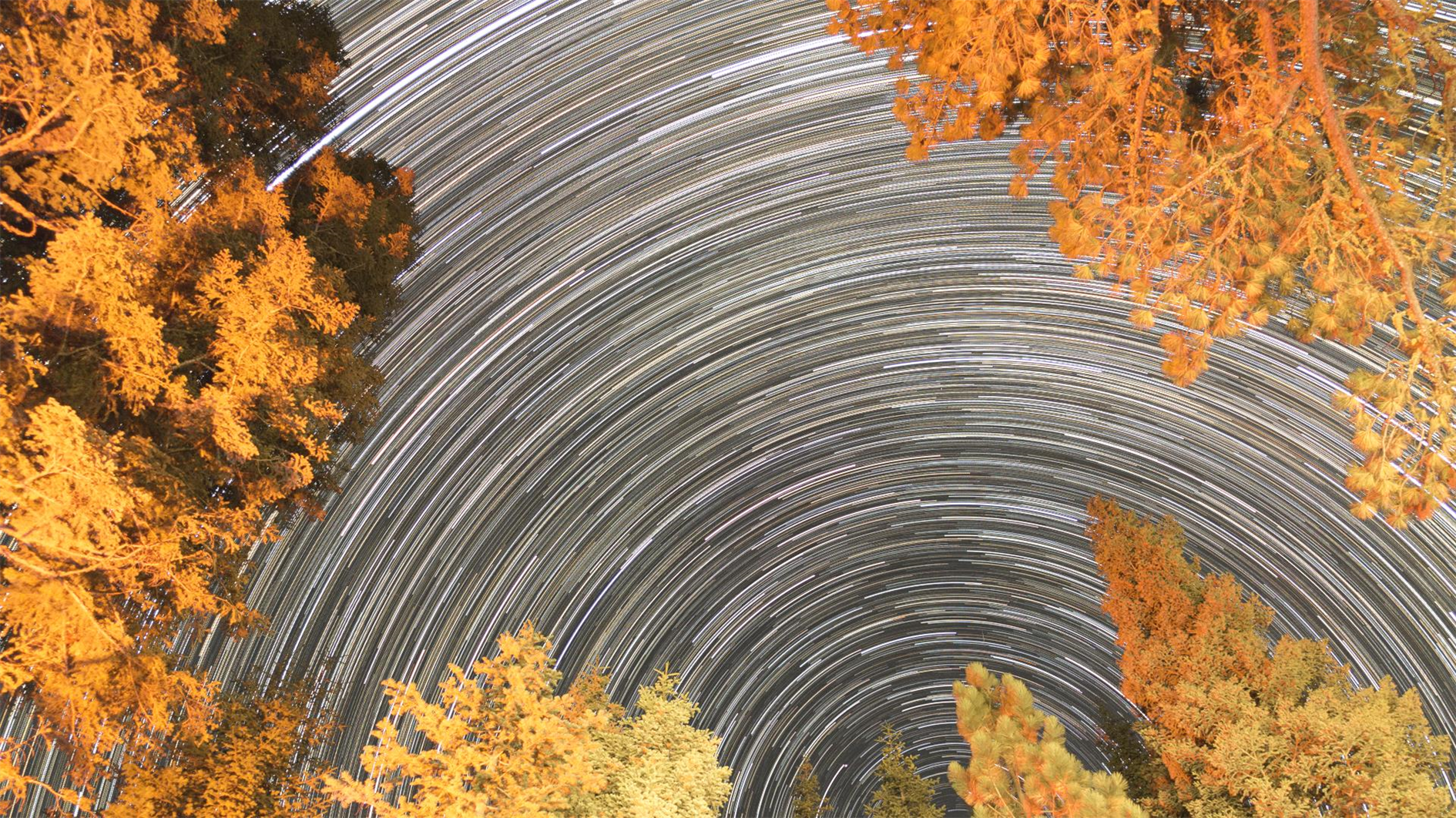
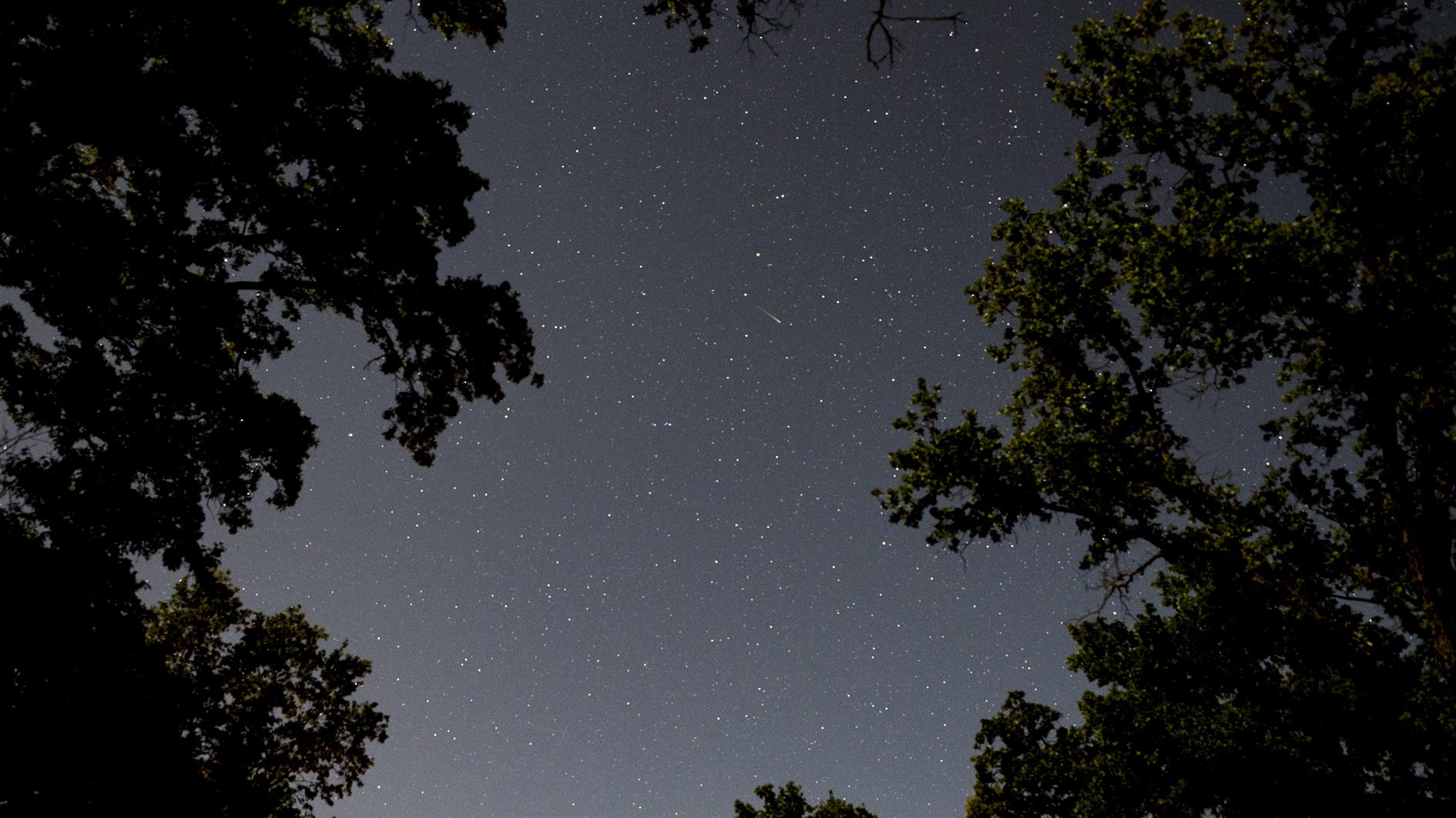
A timelapse two ways shot from the Manzanita Lake campground at Lassen Volcanic National Park (the second time I've visited and the second time that Bumpass Hell has been closed). First a regular 4K timelapse looking up from the campsite:
The second version is the same footage in HD where each frame is the cumulative maximum pixel value of all the frames up to the current frame (so it builds in star trails as the video runs):
For this version each frame is built from the cumulative maximum pixel value for all the previous frames. So it's like a long exposure with nice star trails (and Jupiter, and at various points a couple of satellites and a plane).